





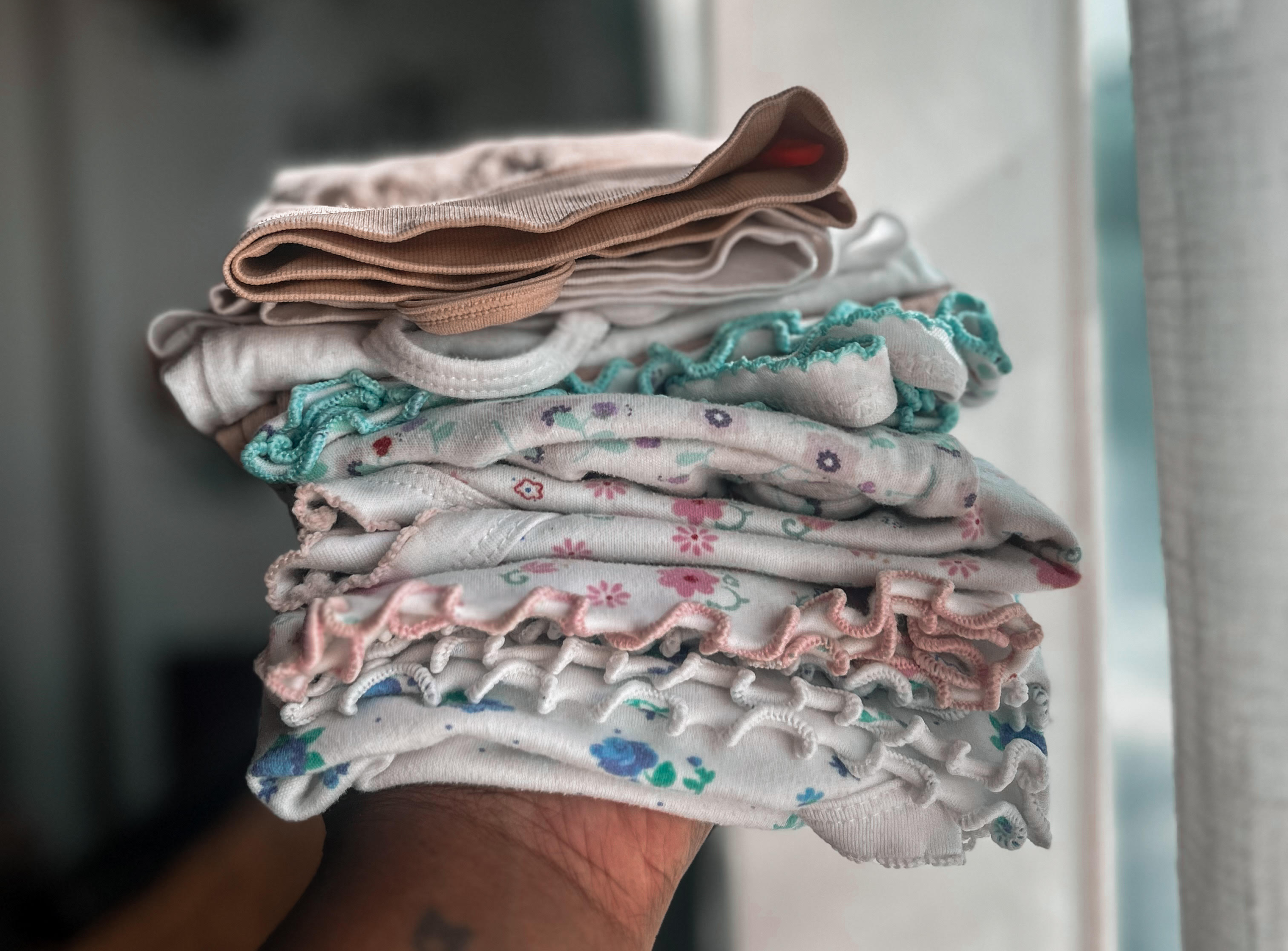
 Let’s talk about a parenting milestone that completely snuck up on me: training bras. Not because I wasn’t ready for the growing-up moment — well, okay, maybe that, too — but because I didn’t realize how hard it would be to find something that didn’t feel like torture for my daughter with sensory processing disorder.
If you are in the same boat, take a deep breath — you’re not alone.


Sensory Struggles No One Warns You About
My daughter could handle a whole school day, an unexpected fire drill, and even that weird cafeteria smell most days, but one too-tight cami strap, and it’s over! For kids with sensory sensitivities, it’s not just about the right size. It’s about:
- Seams that itch.
- Straps that dig.
- Tags that scratch.
- Fabrics that sling or rub.
- The overwhelming “tight” feeling that sends their nervous system into overdrive.
What Actually Helped Us
After way too many trial-and-error purchases (and returns), here’s what made a difference.
- Seamless design. No itchy stitching or bulky lines.
- Tagless or printed label. Avoid scratchy tags at all costs.
- Soft, stretchy fabric. Cotton/spandex blends are your friend.
- Wide bands or racerback styles. Less slipping, more comfort.
- No wires. Zero pressure or poking.
- Lightweight or double-layered. Gentle coverage without padding overload.
- Easy to get on and off. Pull-on styles reduce frustration.
- Neutral colors. Helps avoid visual overstimulation for some kids.
- Let them choose. Comfort starts with consent.
1. Start with Bralettes, Not Bras
Soft, stretchy bralettes were our best starting point. No wires, no cups, no drama. We looked for: Seamless options, racerback styles (less slipping), soft cottons/spandex blends, and no tags (or ones we could easily cut out).
Tip: Let her feel the fabric before you buy. Even online orders became less risky once I knew which brands she trusted.
2. Shop the Sensory-Friendly Brands
Some brands get it. These stood out for us: Hanes ComfortFlex Fit (inexpensive, minimal seams), Bleuet (sensory-friendly, reversible bras designed for tweens and teens), and SmartKnitKIDS (seamless bralettes with no tags, great for sensitive kids).
3. Let Her Lead
Allowing my daughter to have some control over the process really helped. She picked the colors. She tried things on at home. She told me what worked and what absolutely did not.
There may or may not have been a few meltdowns. She may or may not have refused some mornings. But when she felt heard and had options, her confidence started to grow.
What I Wish I Knew Sooner
It’s okay to skip it for now. There’s no timeline for training bras. Comfort matters more than social norms.
Layering can be a bridge. We had success with soft camisoles under loose shirts as a transition step.
Every sensory kid is different. What feels like a cloud to one might feel like sandpaper to another.
Don’t make it about appearance. We frame bras as “just another way to feel comfortable and supported,” not about growing up or covering up.
If you’re in the middle of the “I hate this, take it off!” phase, know that it won’t last forever. We’re still figuring things out, but we’re doing it together.
Training bras aren’t just about the body. They’re about listening, adapting, and helping our girls feel safe in their own skin. Sensory parenting is a wild ride, but I wouldn’t trade this journey for anything.
Have you found a brand or style that worked for your child? Share your experience in the comments. I’d love to keep learning from other parents walking this path.
*This post contains a few affiliate links.




, here’s what made a difference in the right training bras.)