





 If your kids are anything like mine, every trip to the store somehow turns into a running wish list. “Can I get this? What about this?” It’s constant, and honestly, it’s not their fault. Money is still an abstract concept for kids, and they don’t yet understand what it takes to earn it or why we can’t just say “yes” to everything.
That’s exactly why we decided it was time to start teaching our kids about money in a more intentional way. We’ve let them know that we will always take care of the needs and handle gifts for holidays and special occasions, but any “extras” are their responsibility. If they want that new toy or treat at the store, they can use their own money. (Though, admittedly, every now and then we’ll split the cost with them because to be generous.)


Our third grader is at the perfect age, in my opinion. She’s learning about money in school and feeling confident in her math skills, so this has become a natural extension of what she’s already working on. It’s been really rewarding to watch her start to think twice about her spending and take pride in saving up for something she really wants. And of course, her 4-year-old little sister is eager to follow along and excited to do whatever big sister does, so we’re starting those lessons early in a fun, age-appropriate way.
It’s not always easy to say “no,” but giving kids ownership over their spending has already made a big difference and turned those constant store requests into meaningful learning moments.
Teaching kids about money doesn’t have to feel like a lecture or a math lesson. If you’re in a similar boat with your kids and are looking for ways to help teach them about money, here are a few easy ideas to get started:
Make Saving Visual with a Goal Chart
Kids are naturally motivated when they can see their progress. Create a simple savings tracker or goal chart for something they really want, whether it’s a new toy, game, or special outing. Break the total into smaller milestones and let them color in or sticker their way to the finish line. Watching their savings grow builds excitement and reinforces patience.
Open a Savings Account Together
Take your child to the bank and let them be part of the process of opening their very own savings account. There’s something powerful about handing their money to a teller and seeing it “officially” saved. It makes the concept of money feel real and gives them a sense of pride and ownership. This was a suggestion from my kids’ grandmother, and I had no idea how excited our kids would be to do this and have their own bank account!

Introduce a Chore Chart with Earnings
Tie everyday responsibilities to small earnings. A simple chore chart helps kids understand that money is earned through effort. Whether it’s making their bed, helping with laundry, or feeding pets, assigning a small value to tasks connects work with reward in a tangible way.
READ: We’re Not Paying An Allowance!
Try the “Spend Half, Save Half” Rule
Keep it simple: When kids earn money, encourage them to split it — half to spend, half to save. This teaches balance without being overwhelming. They still get the fun of spending now, while building the habit of saving for later. This is what has really been working well for our kids and allows them the best of both worlds.
Turn Earning into an Adventure
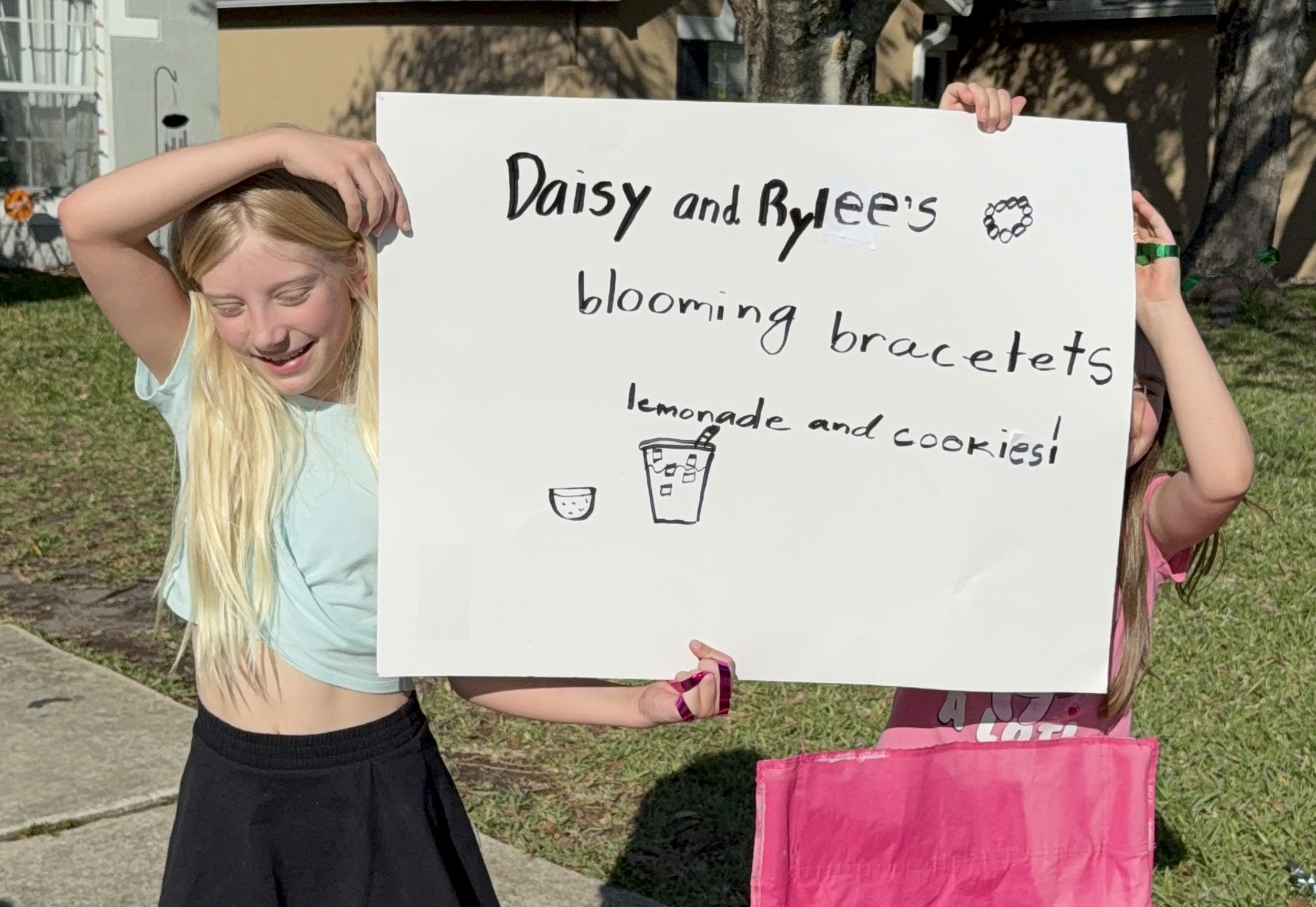
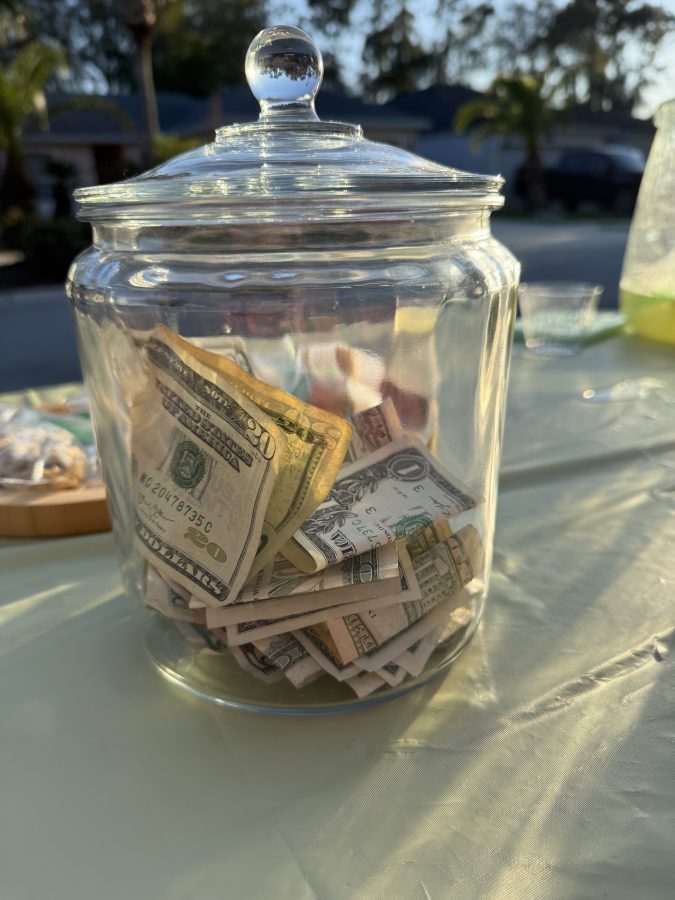
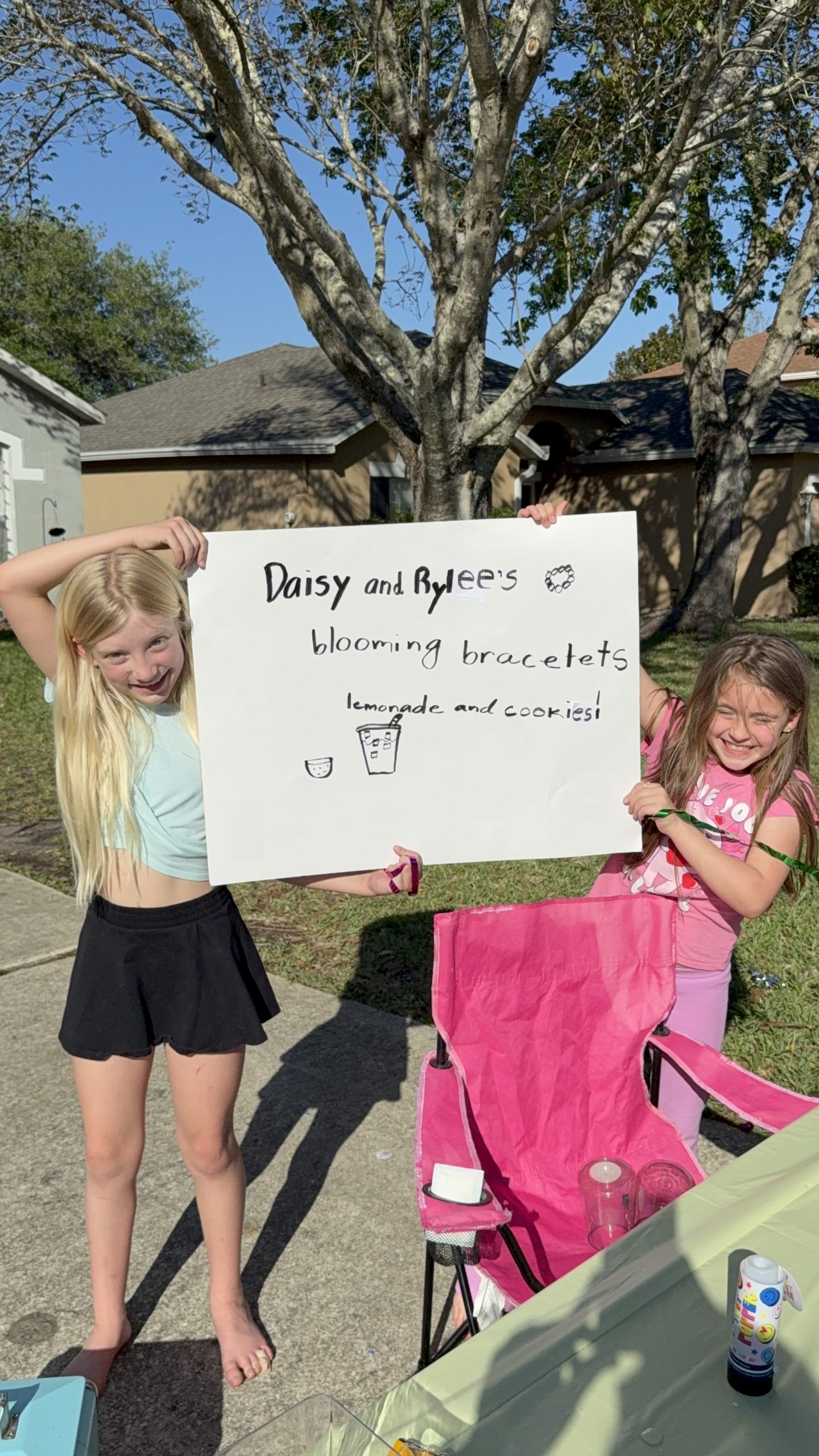
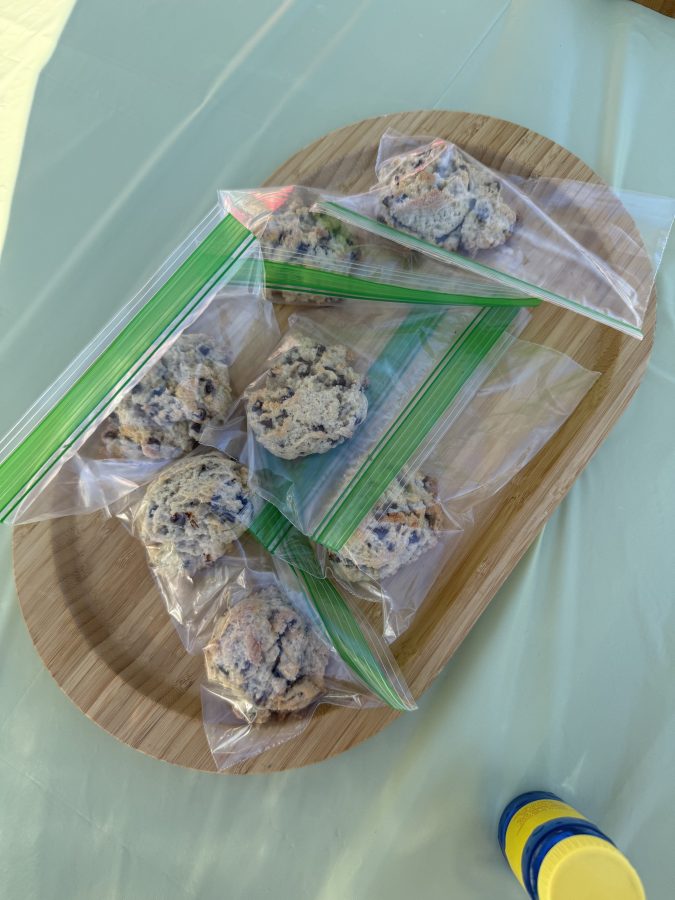
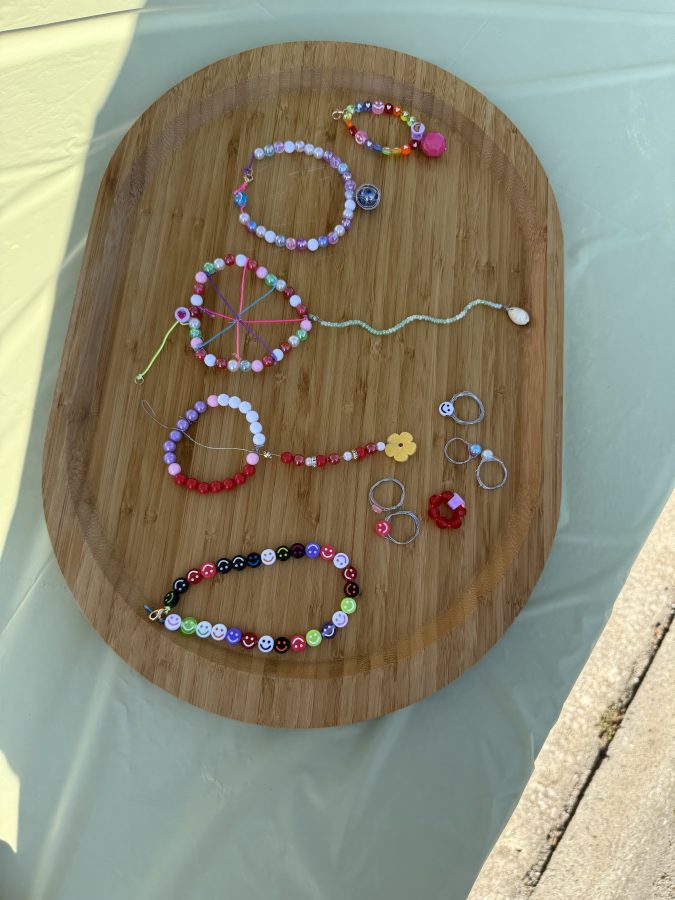
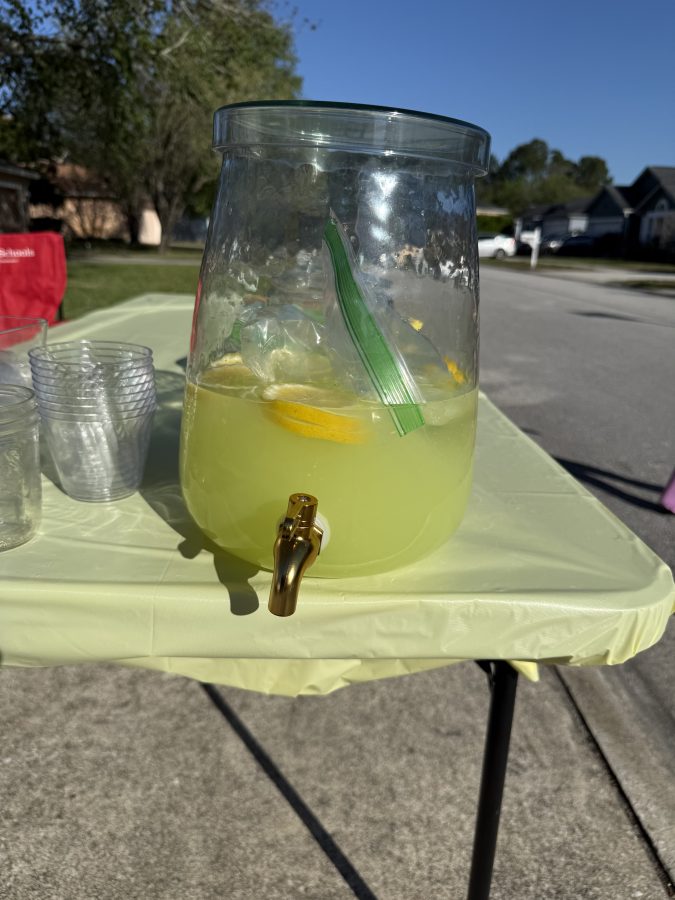
Kids love a good “project,” so why not make earning money one? Set up a lemonade stand, help neighbors with small tasks, or come up with creative ways they can offer help. Not only does this teach initiative and confidence, but it also makes the connection between effort and income feel exciting. It was so fun watching my daughter and her friend make friendship bracelets and selling them with pride at their lemonade stand.
READ: Parents, Let Your Kids Do Their Own Fundraising
At the end of the day, teaching kids about money isn’t about perfection; it’s about consistency and conversation. The more you involve them in everyday financial moments, the more comfortable and confident they’ll become.
And who knows? You might even find yourself learning a thing or two along the way! I know I have, and I certainly wish I’d learned about money and saving from a younger age.