





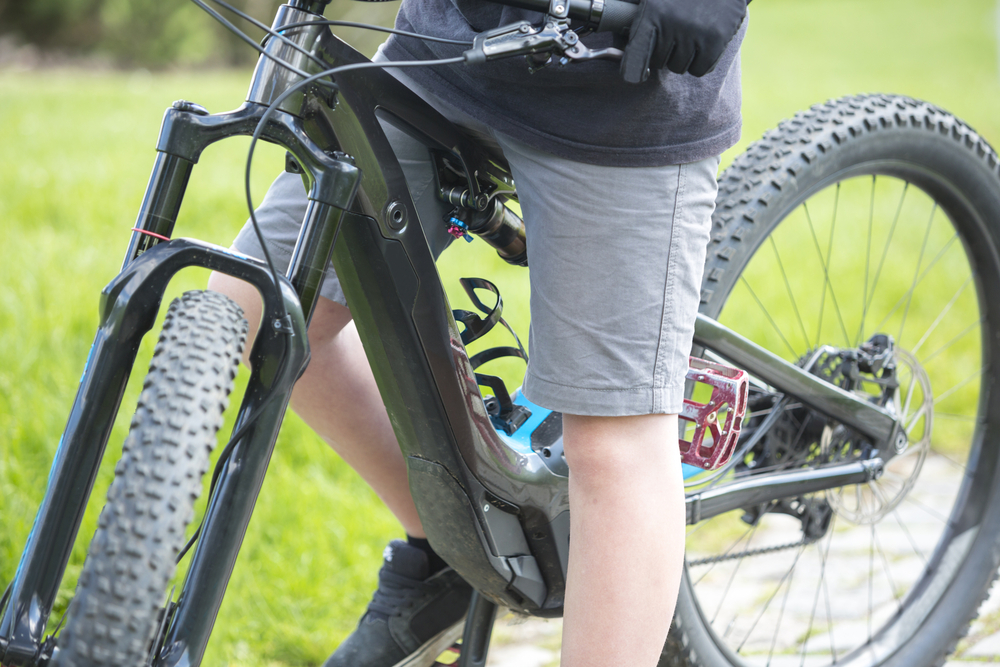
 If you’ve spent any time online this year, you’ve probably seen a rise in “e-bike” content. From creators like Sur Ronster popping wheelies on the Autobahn at 100mph, to “e-bike” gangs hogging the roadway, multiple news reports of child-victims of trauma and sadly death, to adults and even law enforcement officers behaving very badly and attacking the riders. “E-bikes” are nothing if not highly controversial.
As with so many communities, the voices opposing these “e-bikes” are getting louder, and we are starting to see law enforcement and prosecutors leverage existing laws to deter “e-bike” operations. Every parent needs to fully understand what that looks like so you can better protect your child and yourself from the foreseeable legal and financial outcomes that we are trending toward.


“E-Bike” Defined
Florida statutes define three classes of e-bikes: bicycles or tricycles with an electric motor that assists the rider. Under Florida law, e-bikes are treated exactly like bicycles, and riders may enjoy all the same privileges and responsibilities, including the requirement that every child under 16 wear a helmet! A true e-bike does not exceed 28 miles per hour. While you can currently ride these on the sidewalk, new laws are going into effect July 1, and ignorance of the law is not a defense to a citation or arrest.
READ: ‘It’s Scary’: Why E-Bike Safety Matters More Now Than Ever
E-Moto (Not E-Bike)
Any “e-bike” that exceeds 750 watts or 1 horsepower is not an e-bike. In fact, the most popular “e-bikes” that exceed 750 watts are actually classified as motorcycles with an engine larger than 50 cubic centimeters (cc). Brands like Surron, Talaria, E Ride Pro, and Rawrr are actually “e-motos.” If your kid is caught operating the e-moto without a valid driver’s license with the motorcycle endorsement, it’s a crime, and they can be arrested.
Criminal Liability on E-Motos
But would they really arrest my teen for this? Yes! A criminal traffic citation is a “written arrest,” but officers have discretion to physically arrest your child. I cannot overstate that these driving offenses are crimes just like possession of drugs, theft, or burglary. An arrest has lifelong effects on every part of their life, including school, employment, and military service.
Normally, a child goes to juvenile delinquency court, but if your kid only has criminal traffic offenses, they go to adult criminal traffic court. In adult court, the case information is public information, unlike juvenile court. Before your child even has a driver’s license, they could have points on their license, thousands of dollars in fines, and, honestly, it wouldn’t be out of the realm of possibility for a child to completely lose their driving privilege forever if they habitually offend.
Arguably, the worst thing that can happen to a child is causing the death of another while riding their e-moto. Even a child can face prison time for vehicular manslaughter in addition to the lifelong emotional trauma. It’s possible that the parents could also be charged in a death case.
The State Attorney recently charged a mother in Orange County, California, with vehicular manslaughter after her 14-year-old was popping wheelies on his 2025 Surron Ultra Bee and struck and ultimately killed an 81-year-old veteran. Law enforcement previously warned this parent that her son could not legally operate the bike, and she disregarded those warnings.
This is not surprising. Children are not wholly and independently responsible for their criminal behavior on these e-motos. A parent and/or guardian bought that bike and knows or should know when and where their kid is operating it. We are seeing that law enforcement will strictly enforce laws against kids, and it’s foreseeable that parents could also face charges.
Civil Liability on E-Motos
Another foreseeable consequence of the e-moto craze is huge financial liability. First, you could be on the hook for the entire ER bill if (really, when) a child is seriously injured or killed on an e-moto that you own. Insurance policies are contracts, and it’s reasonable to expect an insurer may decline to cover the bill, citing the “inherently dangerous activity” exclusion already present in many policies. Also, if your e-moto injures or kills someone, you could be personally responsible for the damages. While Florida law does not require motorcycles to be insured, without insurance, your personal assets are exposed to a negligence claim. You cannot expect that your private auto policy will cover that liability because an auto policy also has an exclusion for motorcycles if you aren’t paying for special coverage.
The appeal of e-motos is real — they’re thrilling, they look cool, and the kids love them. But the legal and safety risks of owning one (let alone letting your child ride) keep growing. If this post has you rethinking the one in your garage, that’s a good instinct. And if something does happen, seek legal help immediately so you and your child are protected.

About the Author
Shannon Schott is a Board Certified Specialist in Juvenile Law and a Partner at Plata Schott Law, where she helps kids and their parents after a wrongful death, injury, or arrest. As a Jacksonville-native and mom of one, she spends her free time explaining to her nine-year-old why he cannot have a Surron and instead enjoys electronics-free outdoor activities around town.