



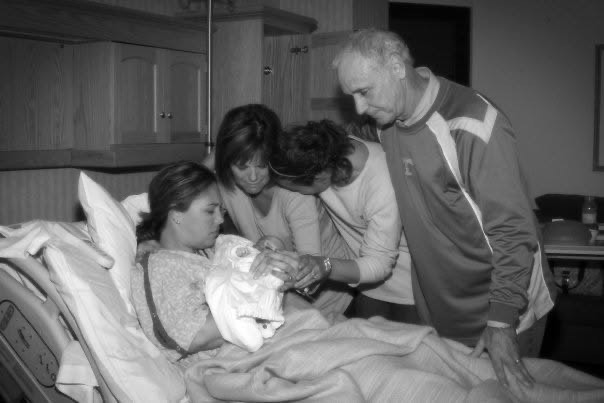
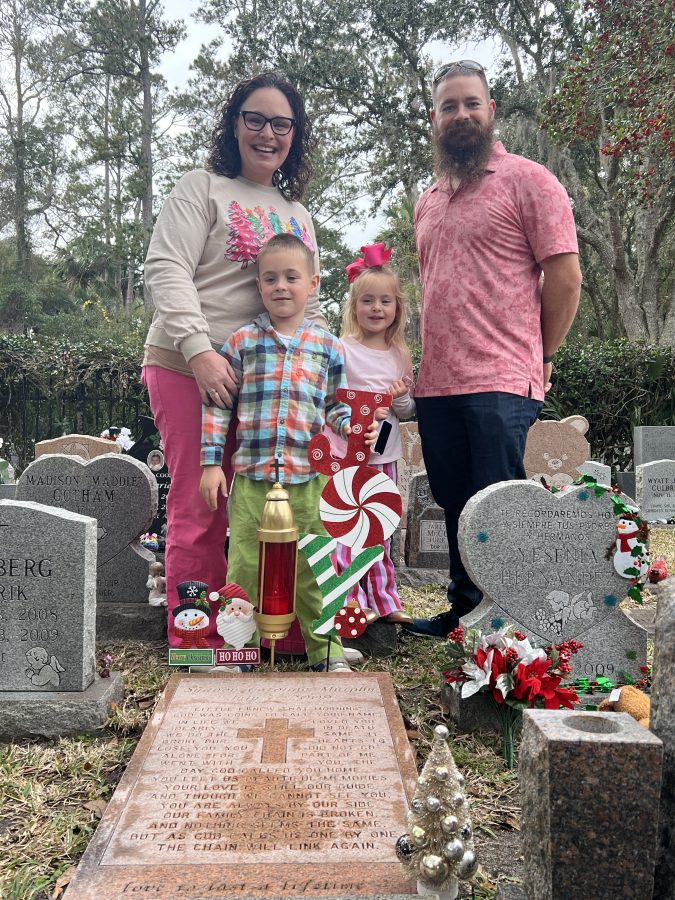
 I carried my daughter, Sydney, to full term. I went into labor on her due date. Her nursery was ready. Her name was chosen. My hospital bag was packed. And then, in one devastating moment — July 7, 2009, at 2:54 a.m. — everything changed.
She was born silent.


Stillbirth. It’s a word that feels like a punch to the chest. It’s cold, clinical, and doesn’t come close to describing the heartbreak of delivering a baby you’ll never hear cry. I never imagined I’d be part of this club — the one no one talks about, the one that’s invisible to most of society. But here I am. And I’m still speaking out, 16 years later, because we need change.
READ: Remembering Sydney
That’s why I’m fighting for the SHINE for Autumn Act (H.R. 5012/S. 2647) — a bipartisan bill that could finally bring attention, research, and resources to the crisis of stillbirth in America. It’s been approved by the House Energy and Commerce Committee and is waiting for a full vote. We need to push it forward.
 Stillbirth Isn’t Rare — It’s Ignored
Every single day, 57 babies are stillborn in the U.S. That’s over 21,000 families a year who leave the hospital with empty arms. And yet, stillbirth remains one of the least studied and least funded public health issues. The rates haven’t changed in 30 years — even though at least 25% are preventable. Mine was part of that preventable percentage. With improved training and greater knowledge and awareness for medical professionals, Sydney might not be a statistic today.
When Sydney died, I was told, “Sometimes these things just happen.” WHAT IN THE ACTUAL HECK?! That’s not good enough. I deserved answers. We all do.
The SHINE for Autumn Act would:
- Fund research and data collection to gain a deeper understanding of why these tragedies occur.
- Educate doctors, nurses, and communities about risk factors and warning signs.
- Enhance training to ensure providers respond with compassion and care.
- Support state-level reviews to identify patterns and prevent future losses.
It’s named after Autumn Joy, a baby girl born still on July 7, 2011 — the same day, two years after Sydney passed. Her parents turned their grief into advocacy. Their courage helps all of us.
This Is a Family Issue — AND a Business One
This bill has support from both Democrats and Republicans. Because stillbirth doesn’t care how you vote. It affects families of every race, income level, and belief system. It’s a human issue. A moral issue.
And it’s a workplace issue, too. Grief and loss cost U.S. companies over $100 billion a year. More than half of employees who lose someone close leave their job within 12 months. Stillbirth is not just a personal tragedy — it’s an economic one.
With greater awareness, employers may finally recognize stillbirth as a legitimate reason for bereavement leave. Policymakers may expand paid time off protections for grieving parents. Companies like Bereave (which I recently learned about) are already stepping up, offering platforms to support organizations through loss — not just with stillbirth, but with all forms of grief.
What You Can Do
If you’ve lost a baby, know this: You are not alone. Your grief matters. Your story matters. Your child matters. And your voice can help make change. Even if you’ve never experienced loss, every mom can understand the terror of something going wrong. This could help protect all our babies. Here’s how:
- Call or write to your representatives. Tell them to support the SHINE for Autumn Act. Find your representatives or call the Capitol switchboard at (202) 224-3121.
- Spread the word. Share this bill with your community, your workplace, and your social media.
- Break the silence. Because silence is what keeps stillbirth in the shadows — and our babies deserve better.
Visit the SHINE for Autumn Act website to learn more, take the financial impact survey, and read Debbie’s story — Autumn’s mom.
I’ll never get to watch Sydney grow up. But maybe, through this bill, I can help another mom bring her baby home.
That’s why I’m fighting for SHINE.
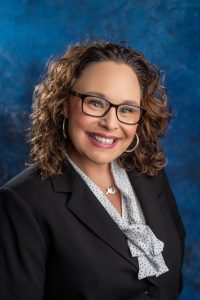 About the Author

A native of Hampton, Virginia, Lindsay Aenchbacher moved to Jacksonville in the 5th grade and remained there through her high school graduation. From 1997 to 2009, she resided in Orlando, Knoxville, Tennessee, and Washington, D.C., before returning to Jacksonville in 2009. A graduate of the University of Tennessee with a degree in sociology and speech communication, Lindsay currently works from home for Datos Insights, the leading research and advisory partner to the financial services industry. She lives in Arlington with her husband of 8 years, RJ, and their two children, Maddix (7) and Emma (5). She enjoys traveling, road trips, volunteering at her kids’ schools, coffee dates, party planning, and spending time with her family.