




As a Florida personal injury lawyer and a mom to four energetic kids, I know firsthand how magical — and chaotic — summer can be. School’s out, travel plans are in full swing, and kids are diving headfirst into pool days, summer camps, and all kinds of adventures. But while summer is about making memories, it’s also a time when accidents spike, especially involving children.


To help your family enjoy a safe and stress-free summer, I’ve put together this summer safety guide covering some important things to think about — from pool safety to vacation precautions. Whether you’re staying home or heading out on a big trip, here are the key things to consider.
Pool and Water Safety: A Florida Must-Know
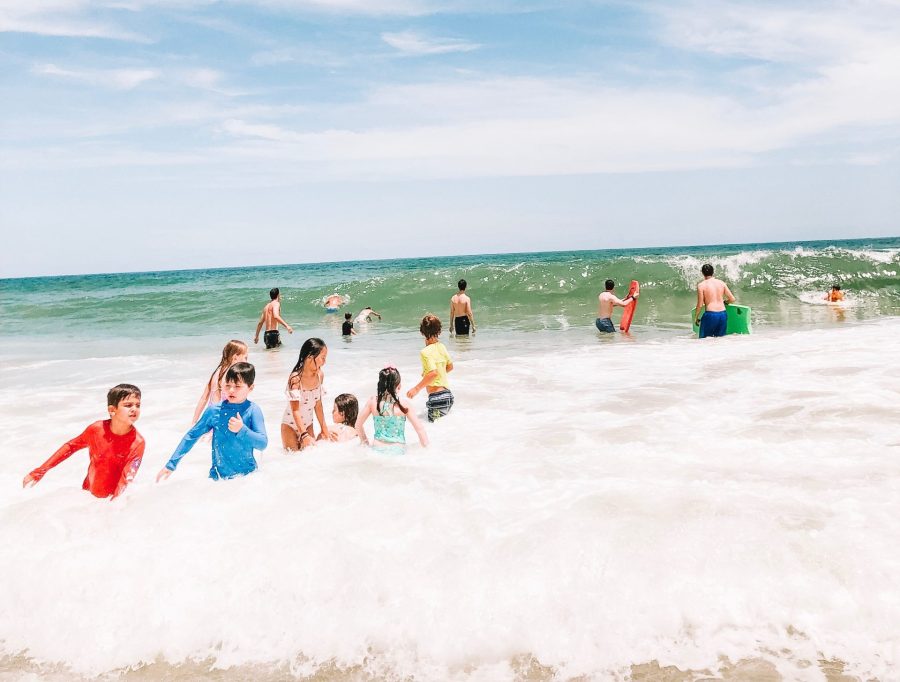
Florida leads the country in child drownings — an awful but preventable reality. Whether you have a pool in your backyard or you’re headed to the beach, water safety is non-negotiable. Here are some helpful water safety tips:
- Supervise, always. Drowning is often silent and quick. Never rely solely on lifeguards or
floaties. - Install and use pool fences. A fence with a self-latching gate around your home pool can
drastically reduce risk. - Teach swimming early. Kids as young as age 1 can learn basic water survival skills.
- Beware of drains. Pool and hot tub drains can be dangerous. Ensure they have proper covers to prevent entrapment.
Summer Camp Safety: What to Know Before They Go
Summer camp is a great way for kids to build independence, but it’s critical to research
thoroughly before you sign up. Here are some important questions to ask:
- Are staff background-checked and trained in first aid/CPR?
- What is the camper-to-staff ratio?
- What’s their emergency and allergy protocol?
- Is the camp accredited by any organization such as the American Camp Association (ACA)?
Keep in mind that not all children are ready for sleepaway camps, and that’s okay. Here are some things to consider as you make the choice that’s right for your child:
- Comfort Sleeping Away from Home: Does your child enjoy sleepovers without becoming homesick?
- Social Readiness: Does your child enjoy group settings and make friends easily?
- Able to Communicate with Adults: Can they speak up when they need help?
- Emotional Regulation: Can they manage disappointments or unexpected situations (e.g. bad weather, not being chosen, etc.)?
- Falls Asleep Easily: Are they able to sleep in a group setting without special aids?
- Follows a Schedule: Can they transition between activities when prompted by a bell or
routine? - Independent Navigation: Are they comfortable finding their way around camp, possibly alone?
- Manages Personal Hygiene: Can they independently shower, brush their teeth, and maintain hygiene?
- Responsible for Belongings: Can your child keep track of their personal items?
Also, be sure you and your child know how things like illness and homesickness will be handled during camp. Having these conversations before they arise can provide comfort to both campers and parents. For all types of camps, always talk with your child about boundaries and speaking up if something feels wrong.
Travel and Vacation Safety: Are We There Yet?
Whether it’s a road trip to Disney or a flight to Grandma’s, travel adds extra layers of risk — especially with little ones. Here is a solid family travel safety checklist:
- Car Seats: Make sure seats are properly installed and age-appropriate.
- Air Travel: Pack all meds in carry-ons.
- Hotel Hazards: Do a quick safety sweep of your room — look for accessible balconies,
unlocked windows and choking hazards. - Vacation Rentals: Ask about pool gates, smoke detectors, and security before you go.
- Make a “Lost” Plan: Use AirTags or child GPS trackers in crowded places to avoid a worst-case scenario. Also, make sure your child knows if they become separated from you at any point to stay where they are and yell your name. This can prevent your child from wandering farther away from you.
Heat and Sun Safety: Florida Isn’t Playing
The Florida sun is no joke — and heat-related injuries can happen fast. Here are a few must-know tips to help you and your family stay cool and protected:
- Hydration is key. Pack reusable water bottles for everyone.
- Sunscreen daily. Use it and reapply often.
- Dress smart. Lightweight, breathable clothing and hats are lifesavers.
Remember: The inside of a parked car can reach deadly temps in minutes — never leave a
child or pet in a vehicle, even for “just a second.” Also, be sure to always lock your car and
keep keys out of reach to prevent kids from climbing in and getting trapped.
Summer Safety: If Something Bad Happens, Document It!
If your child is injured due to someone else’s negligence — whether at a pool, on the
road, or at camp — document everything. Photos, names, incident reports, and witness contact info can be crucial if legal action becomes necessary. And always trust your gut — if something feels off, it probably is.
Summer should be about fun, not fear. With the right summer safety precautions and conversations, you can empower your children to be smart and safe — while still letting them explore and enjoy the season. From one parent to another, stay safe, soak up the sunshine, and savor the memories!
 About the Author

Amanda Baggett is a mom of four, a seasoned personal injury attorney, and co-owner of Baggett Law Personal Injury Lawyers, a law firm she runs alongside her husband, Matt Baggett. With over 20 years of legal experience, Amanda is passionate about educating families on laws that affect their everyday lives — especially when it comes to safety, advocacy, and justice. She believes that informed parents are empowered parents and is committed to helping others become strong advocates for their families and communities. In addition to her role as a lawyer and business owner, she has served on several community boards and is currently the Chair of the Board of Trustees for Jacksonville Country Day School.