





 If it feels like screens have slowly taken over your house… welcome to parenting in the 21st century (it’s not for the weak, just sayin’).
Between tablets, gaming systems, phones, and busy schedules that make screens an easy default, many families find themselves overwhelmed by how much time their kids actually spend on screens. And while it’s tempting to yank the devices and declare a full digital detox, experts — and parents who’ve been there — agree: going cold turkey often backfires, and there are several factors to consider beyond time limits.


In fact, the American Academy of Pediatrics recently updated its screen-time guidelines to consider the quality of interactions with digital media — rather than just the quantity or amount of time. This includes setting certain parental controls and carefully monitoring your child’s media consumption.
Here are a few tips for Jacksonville families to take a more realistic approach to screen time and devices that leave both parents and kids satisfied.
Don’t Go Cold Turkey: Reset Gradually
One of the biggest mistakes parents make is trying to eliminate screens overnight. While it’s understandable, this often leads to emotional blowups, resentment, and sneaky screen use. Instead, think of it as a reset, not a punishment. Try:
- Reintroduce boundaries in phases. If you’re going from a loose screen schedule (or lack thereof), change it up in increments so it doesn’t feel like a punishment.
- Set clear start and stop times instead of open-ended use. We use our Amazon Alexa device to set a timer (along with a five-minute warning so they know to wrap up their game or YouTube video).
- Tie screen time to routines (after homework, before dinner, etc.). Personally, our family doesn’t allow YouTube, video games, or tablets on school days. Now that our kids know this is the expectation, they don’t even ask for it!
Predictability, consistency, and routine matter more than perfection.
Replace, Don’t Just Remove
Taking away screens without offering alternatives almost guarantees frustration. Before limiting screen time, think about what kids can do instead. Some easy swaps include board games or puzzles, art supplies, building toys (STEM toys like PicassoTiles are a HUGE hit in our house!), outdoor play (short walks or bike rides), family movie nights with a clear start and end, etc. When kids know what’s coming next, transitions are much smoother.
READ: Busy Activities to Minimize Screen Time
What Parents Should Know About New YouTube Parental Controls
YouTube remains one of the biggest screen-time stressors for parents. Recently, the platform rolled out expanded parental controls designed to give families more oversight. These updates allow parents to:
- Set up “supervised” accounts with age restrictions
- Set a time limit for scrolling short videos
- Approve or block specific channels
- Monitor watch history more easily
While these tools are helpful, they work best when paired with open conversations about why certain content isn’t appropriate — and what kids should do if something makes them uncomfortable.
Rethinking Smartphones for Kids
If your child received their first phone recently — or is asking for one — know that smartphones aren’t the only option. I know every family is different with varying needs, but personally, I am a big fan of the Wait Until 8th campaign, which empowers parents to delay giving children a smartphone until 8th grade if they can.

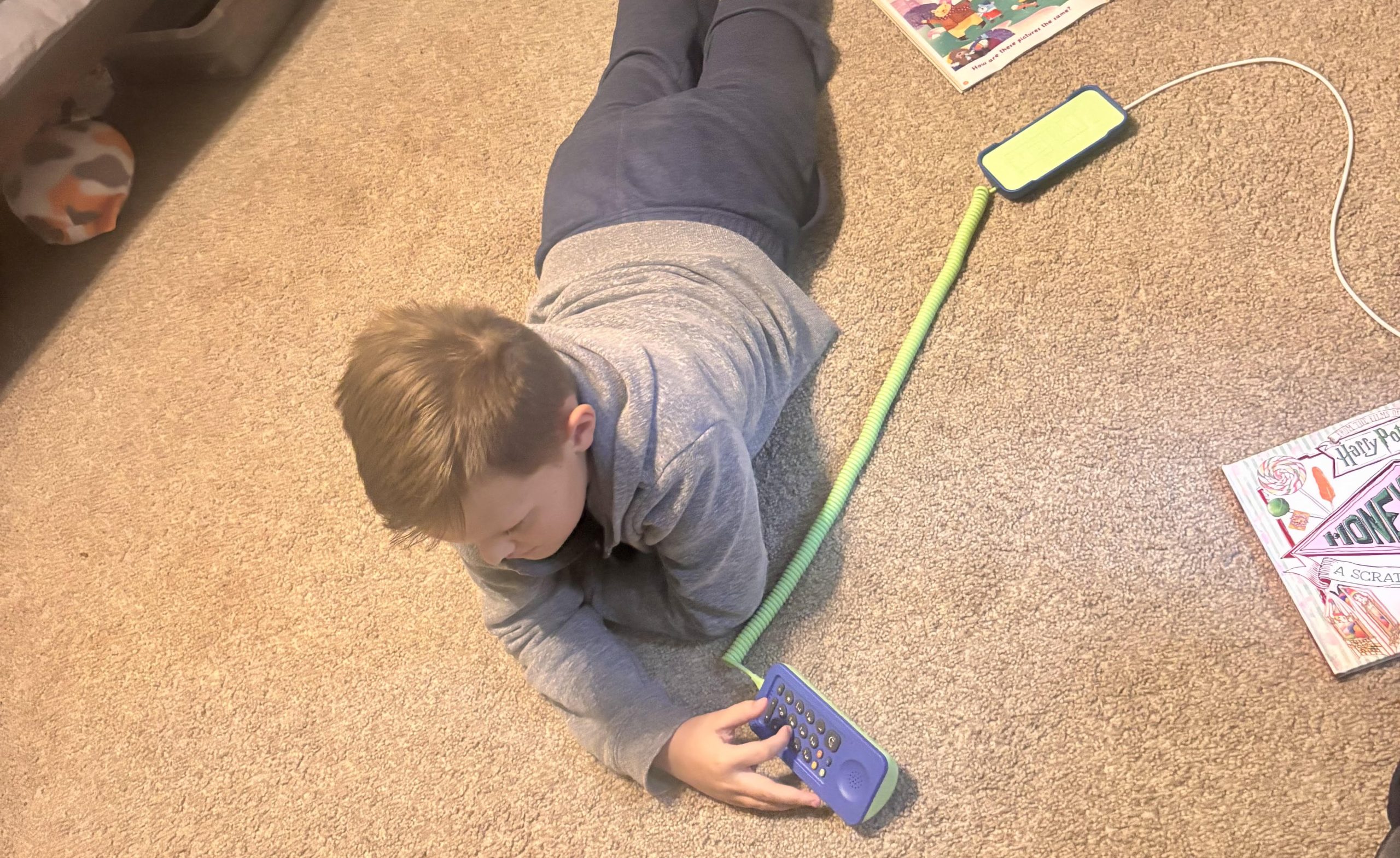
Until then, devices like the Tin Can phone run on WiFi and allow kids to call friends and family (only approved numbers!) without access to apps, social media, or the internet. We got one for my 8-year-old for Christmas, and he loves calling friends and family in other states! For many families, it’s a comfortable middle ground that supports independence while limiting distractions and safety concerns.
Smartwatches — like the Bark Watch or the Gabb Watch — can be another good alternative that allows calling, texting, and location tracking without the distraction of a typical smartphone.
Modeling Matters More Than Rules
Kids are always watching how adults use technology. Modeling healthy habits can be more powerful than any screen limit. Things to consider:
- Charge phones outside bedrooms to limit screen time at bedtime.
- Keep meals and the kitchen table screen-free.
- Make a concentrated effort to put your phone elsewhere or in another room.
If you have trouble limiting your own screen time (join the club!), I’m a big fan of the Brick — a physical, magnetic device that temporarily blocks you from using certain apps.
It’s worth noting that screens aren’t the enemy — but unlimited, unmanaged screen time is. By gradually resetting expectations, using updated parental tools, and focusing on balance, families can reclaim routines without turning their homes into battlegrounds.